





Parenting
Essential Guide to Identifying and Treating Conjunctivitis in Babies

You probably spend countless moments mesmerized by your baby’s sparkling eyes, but if you begin to notice them becoming red, sticky, or irritated, it’s natural to feel a wave of concern. You might be wondering if your little one has conjunctivitis, commonly known as “pink eye.” Understanding this condition will help you navigate these worrying moments.
What is conjunctivitis?
Conjunctivitis occurs when the conjunctiva—the thin, clear layer covering your baby’s eyeball—becomes red and inflamed. “It’s not uncommon for babies to experience this,” explains pediatrician Dr. Colin Michie. “While it can happen in newborns, it’s more frequently seen as children grow older, making it an essential aspect of early childhood health.”
What causes conjunctivitis in babies?
Your baby’s conjunctivitis could stem from several sources: a viral infection, a bacterial infection, or an allergic reaction. “Viral conjunctivitis is often a sequel to illnesses like a cold or ear infection,” Dr. Michie shares. “When your little one catches a bug like this, it’s common for their eyes to become red and watery.”
Newborns can also develop conjunctivitis due to bacterial infections, such as chlamydia, contracted during birth. In contrast, allergic conjunctivitis happens when irritants like dust, pet hair, or pollen reach your baby’s eyes, triggering an allergic reaction. Even chlorine from a swimming pool can cause symptoms.
What are the symptoms of conjunctivitis in babies?
If you notice your baby’s eye appears red, swollen, or puffy, and they seem to be rubbing it as if it’s itchy, these may be signs of conjunctivitis. “Watch for any clear, watery discharge, which can sometimes turn a greenish-yellow. This discharge often dries and creates a sticky crust that might glue their eyelids together, especially after waking up,” warns health visitor Penny Lazell.
Does your baby have conjunctivitis or sticky eyes?
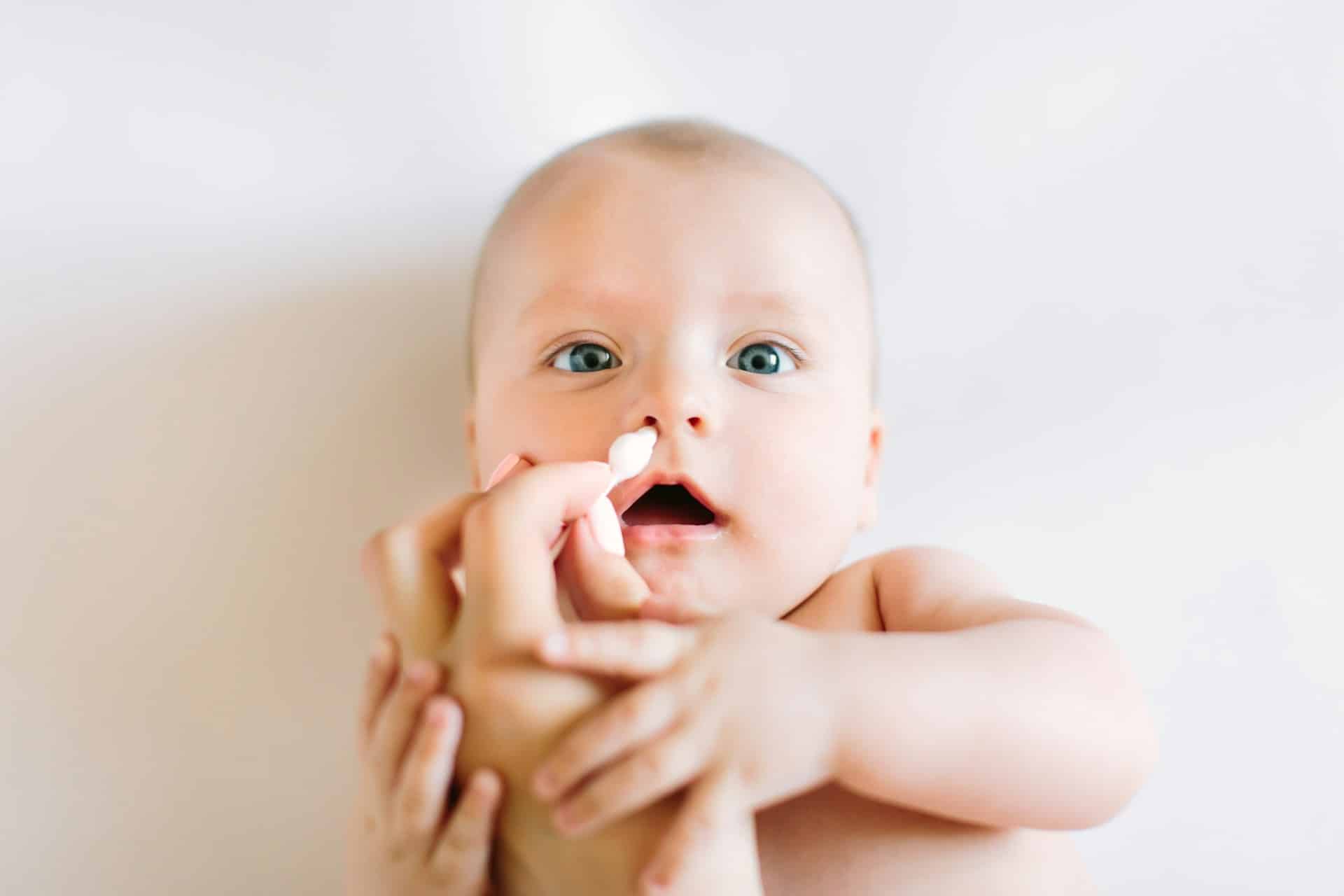
It’s common for babies to experience what’s called “sticky eyes,” primarily caused by blocked tear ducts. Unlike conjunctivitis, this condition typically isn’t itchy. “If left unaddressed, it could potentially develop into conjunctivitis,” Penny explains. Gently massaging the inner corner of your baby’s eye—near the nose—can be very helpful in clearing up any blockage.
Conjunctivitis treatment
While having conjunctivitis can be uncomfortable for your little one, remember that viral conjunctivitis typically resolves on its own within a couple of weeks. It’s important not to reach for unprescribed medication from your medicine cabinet. “If your baby’s eyes are crusted or sticky, you can help by bathing them gently two or three times a day with cooled, boiled water and a cotton ball,” says Penny. “Always start at the inner corner and wipe outward, using separate cotton balls for each eye.”
Bacterial conjunctivitis, on the other hand, might take longer to clear and often requires antibiotic eye drops prescribed by your GP or health visitor. Interestingly, breast milk can also be beneficial; it’s well-known for its natural antibacterial properties. “You might consider using it to rinse your baby’s eyes,” Penny adds.
If you suspect your baby has conjunctivitis that hasn’t been checked by a midwife or health visitor, it’s wise to consult your GP. “Infections contracted from the birth canal can lead to serious problems, so getting treatment promptly is critical,” says Penny. For allergic conjunctivitis, a GP may prescribe antihistamine drops to alleviate symptoms.
Preventing conjunctivitis from spreading
Both viral and bacterial conjunctivitis are contagious, which means it’s essential to take precautions to avoid spreading it within your family. “Always wash your hands after caring for your baby’s eyes or touching their face, and be sure to wash any towels, blankets, and pillows on a hot cycle,” urges Dr. Michie. Dispose of tissues and other hygiene products immediately to prevent any transmission.
Additionally, try to keep your child from interacting closely with other kids, and consider keeping them home from nursery or playdates until they are fully recovered. Limiting time around older siblings is also a wise precaution.
To minimize instances of allergic conjunctivitis or irritation, maintaining a clean environment can go a long way. Regularly check and address potential allergens in your home, keeping surfaces dust-free. By staying vigilant and informed, you can help ensure your little one’s eyes remain bright and healthy.
Keeping a clean and safe home can often feel overwhelming, especially if you’re trying to protect your child from allergies and respiratory issues. But don’t worry; you’re not alone in this. There are some straightforward steps you can take to create a healthier environment for your little one, and it all starts with simple habits.
First off, regular dusting and vacuuming can work wonders. Aim to do this at least once a week. This isn’t just about aesthetics; it helps minimize allergens like dust mites, pet dander, and pollen that can trigger reactions. Investing in a good vacuum with a HEPA filter can make a huge difference. It captures those tiny particles that would otherwise go unnoticed, giving you peace of mind as you take care of your home.
When it comes to the outdoors, be mindful of when to open those windows. Pollen counts can be exceptionally high during certain seasons. Keeping doors and windows closed during peak pollen hours can significantly reduce exposure. Don’t hesitate to check local pollen forecasts to time your outdoor activities better.
If you have pets, it’s crucial to establish some boundaries. Keep pets away from your child’s play area and sleeping space. I know it can be tough to say no to those adorable furry friends, but managing their access will help reduce allergens where your child spends the most time.
Be cautious about the cleaning products you use as well. Opt for unscented or natural household cleaners instead of those with strong chemical fragrances. Many mainstream cleaning products contain irritants that could potentially provoke allergies or asthma symptoms. There are plenty of eco-friendly options that do the job just as effectively—without compromising your family’s health.
Swimming can also be a fantastic way for kids to have fun and exercise, but if your child is prone to allergies or respiratory issues, it’s best to avoid chlorinated pools. Chlorine can irritate the lungs and exacerbate allergy symptoms. If swimming is important to you and your child, consider looking for saltwater pools or natural swimming areas, which can be more gentle on their system.
Now, let’s talk a little about the expert behind this advice. Colin A. Michie is a consultant pediatrician with the National Health Service and a senior lecturer at Ealing Hospital. He has dedicated much of his career to studying child nutrition, immunity, and infectious diseases. His extensive experience and research—ranging from inflammatory conditions to pediatric gastroenterology—equip him with the knowledge to inform parents on how to care for their little ones effectively. Colin has even contributed to national health policy in his role as Chair of the Nutrition Committee for the Royal College of Paediatrics and Child Health, making him a credible source for guidance on child health.
And let’s not forget about the voice behind these recommendations. Emily Gilbert, the Features & Reviews Editor for Mother & Baby, combines her professional expertise with the insights of a first-time mom. Having navigated the ups and downs of parenthood herself, Emily understands what it’s like to want only the best for your child. She draws on her extensive experience in journalism to provide advice that’s not just reliable but also relatable, helping other parents feel seen and supported.
At the end of the day, it’s all about creating a safe haven for your child—one small step at a time. With these tips, you can gradually build a healthier home environment. Always remember, if you have any concerns about your child’s health, don’t hesitate to reach out to a medical professional. You deserve that peace of mind, and your child deserves a safe space to grow and thrive.
Image Source: Unsplash