Parenting
Save Money And Space With Secondhand Baby Gear

Buying for a baby isn’t just about stockpiling items; it’s a journey. It’s filled with excitement, confusion, and sometimes a hint of panic. I remember the days of frenzied online shopping, wondering if we’d have enough of everything for our new arrival, only to realize that much of what we thought we needed was merely extra fluff. Babies require essentials, and those essentials can easily become financial burdens.
To save money and feel good about my purchases, I made it my mission to procure gently used baby items wherever possible. With some patience and savvy searching, I found local community groups, resale marketplaces, and established networks that made gathering essentials not only manageable but also enjoyable.
Joining local Facebook parent groups opened up a world of possibilities to score items that other parents no longer needed, bringing an immediate sense of relief. I remember scrolling through posts, marveling at how many parents were willing to part with things in great condition—like cribs, bouncers, and toys. The soothing knowledge that I wasn’t alone in my quest for baby goods became a lifeline during those chaotic early months of parenting. And in those moments of connection and shared experiences, I quickly learned that everyone feels a bit overwhelmed by the sheer amount of stuff required to care for a newborn.
I also delved into apps like Nextdoor and my beloved Buy Nothing Project. Here, the spirit of community and support came alive as neighbors shared items and experiences. I often found myself chatting with generous parents, sharing parenting stories while picking up the car seat just a few blocks away. It felt like a win-win—cleaning out their storage while providing me with what I needed.
But of course, not all items are created equal—especially when it comes to baby gear. Before taking home any secondhand crib or stroller, I always took a moment to consider safety. Finding out if a piece had been recalled or ensuring all parts were intact became routine, and I quickly learned that you can never be too cautious. When I came across items that seemed questionable, I used that as a teachable moment—researching recalls together with my kids as they grew older. This opened up important dialogues about safety.
Exploring resale marketplaces was another treasure trove of opportunities. GoodBuy Gear became a favorite because they meticulously vetted their listings, ensuring every item was in top condition. I was especially thrilled to save big on a high-end stroller that looked brand new even though it was an open box item. Each successful purchase wasn’t just a financial relief; it felt like a small victory against the overwhelming costs of parenthood.
Thrift stores and consignment shops were my next go-to. Who would have thought baby clothes could be so much fun to hunt for? I savored each shopping trip, running my fingers through the racks and inspecting each item carefully—saving money while allowing myself to enjoy the thrill of finding gently used outfits. Online shopping through Facebook Marketplace added another layer of excitement, as I relished arranging pick-ups with clever sellers while building a stash of gorgeous items.
Yet, while cheap deals are fantastic, the safety of your baby should always supersede the deals you find. Car seats and strollers—anything involving travel and safety—became my key concern. I always made it a priority to verify that a car seat had never been in an accident and to check in with any sources I trusted. I learned quickly that asking the right questions could save both money and heartache.
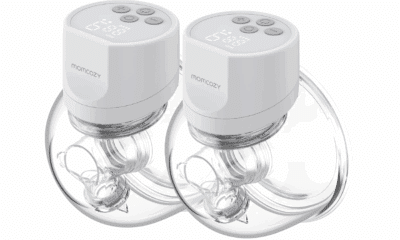
I even discovered that I could make use of my health insurance for essential items like breast pumps. I had heart palpitations at the thought of spending $260, but then a friend introduced me to Aeroflow Breastpumps. They had a seamless process in place that made navigating insurance coverage a breeze—another reminder that there’s often more than one way to meet your baby’s needs without sacrificing your budget.
Additionally, local institutions like schools and churches became surprising sources of support. Many times they offer upcoming swaps or donation events—perfect opportunities to claim what you need. It’s a sweet, beautiful reminder that communities can come together in times of need.
Lastly, never underestimate the power of your immediate circle—friends and family can be invaluable allies in your baby item quest. Whether it’s asking to borrow a maternity dress or gently used baby clothing, you may find there’s help waiting just around the corner, if only you ask. The truth is, many people are eager to share their own abundance if they know someone needs it.
Creating a cozy home for your little one doesn’t need to be an overwhelming or financially crippling endeavor. Instead, it can be a journey of connection, creativity, and support. So don’t shy away from exploring these avenues—each step taken can lighten the load on your wallet while filling your home with love and essential baby products. You’re not alone in this, and together, we can make it work beautifully.When it comes to preparing for a new baby, the excitement can sometimes be overshadowed by the overwhelming costs associated with baby gear. From cribs to clothes, the price tags of these essentials can quickly add up. That’s where taking a secondhand approach can really save the day—and your wallet. Many families are now adopting this smart strategy, opting for high-quality, gently used items that only see a few months of use before they’re put away or passed along.
For instance, I’ve seen two families successfully share a subscription to Lovevery, a brand renowned for its stunning developmental play kits. Although these kits can be quite an investment, priced at around $240 each, sharing allows them to cost-effectively provide their children with valuable toys designed specifically for their growth stages. Once the older baby outgrows a kit, it gets handed down to the younger sibling, effectively cutting their costs while still giving their kids access to top-notch toys. This sharing approach could easily be applied to other temporary-use items like bassinets or high-end swaddles. After all, these essentials are typically only utilized for a short window of six months or so.
When diving into the secondhand market, it’s imperative to maintain a keen eye on safety. If you come across an item from an unknown brand and can’t find any information about its safety standards, it’s often best to err on the side of caution and pass it up. I recently heard about third-party sellers on platforms like Amazon and TEMU, where products that were later pulled from shelves for safety issues ended up listed for sale. Even that adorable teether a coworker picked up while traveling abroad might look tempting, but unless you can verify the materials used are safe for little ones, it’s better to skip it.
Another practical tip for new parents is to consider how to set up their baby registries in a way that accounts for secondhand items. In December 2024, Babylist introduced a game-changing feature that allows registrants to mark certain items as “Open to Secondhand.” This move has been incredibly popular, especially for pricier items that average well over $100. Some of the hot commodities being marked as open to secondhand include bouncers ($175 new), structured carriers ($169 new), convertible high chairs ($230 new), playards ($120 new), and bassinets ($180 new). Not only does Babylist offer this flexibility to expecting families, but it also helps them balance their values with their practical needs, especially in today’s economy with rising costs.
The truth is, while scouring thrift stores, online marketplaces, or participating in swaps, it’s not as easy as just clicking “Buy Now.” It takes time and effort, but it’s entirely worth it. I remember feeling both joy and exhaustion while searching for the essential baby gear. It was not just about the money saved but also the thrill of discovering treasures along the way. I wouldn’t walk half an hour for inexpensive items like pacifiers, but I’d make that trip in a heartbeat for a bag of high-end swaddles—valued at almost $40 each—knowing they’d be serving my baby well during those early months. That experience ultimately gave me peace of mind and made budgeting for our first baby much less daunting.
So, if you’re gearing up for a little one and feel overwhelmed, know that taking the secondhand route is a wise, community-oriented choice that can benefit everyone involved. Every item you choose, be it new or used, contributes to your baby’s environment and nurtures their growth. Embrace the journey, and let your family’s needs lead the way.