





Parenting
The Best Sleeping Position For Babies With A Stuffy Nose

A stuffy nose can turn a baby’s peaceful sleep into a restless night for both the little one and their sleep-deprived parents. While it’s common for nasal congestion to spike during the winter months, surrounding colds and flu, babies can face this discomfort at any time of the year. Whether it’s due to residual fluid in newborns’ nasal passages, allergies, or viral infections like respiratory syncytial virus in older infants, a stuffy nose can range from mild annoyance to a significant hurdle. Understanding the best sleeping positions and remedies to ease nasal congestion can turn those sleepless nights into more restful ones.
In our comprehensive guide, we will delve into expert advice on the safest sleep positions for babies grappling with a stuffy nose, simple, baby-safe remedies to alleviate their discomfort, and essential signs to monitor when your little bundle of joy isn’t feeling their best. We reached out to Katherine Walker, a Service Development Manager at the National Childbirth Trust (NCT), to share her insights and expertise on keeping your little one comfortable, healthy, and sleeping well, especially during the cold months.
What is the best sleeping position for a baby with a stuffy nose?
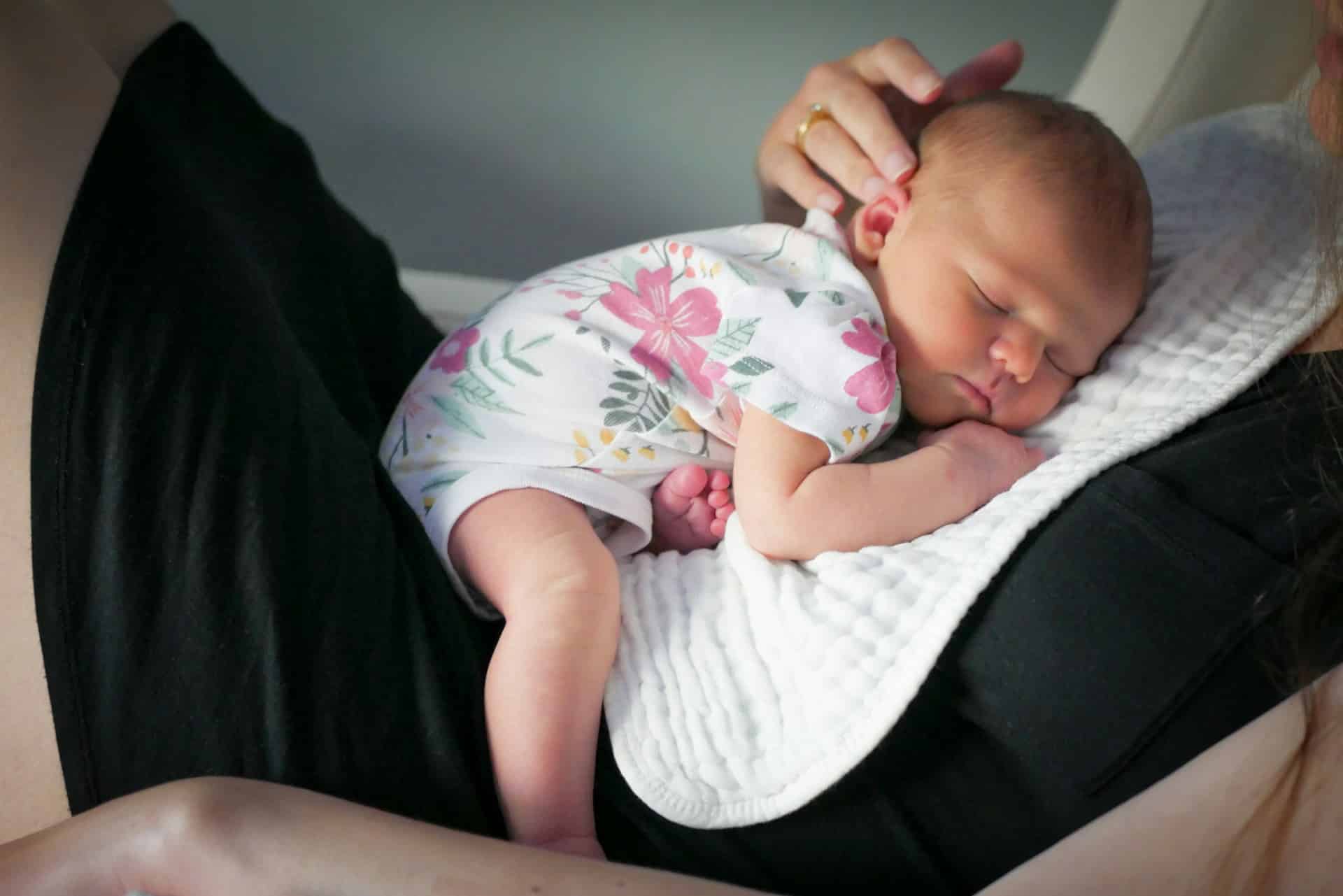
Katherine emphasizes that the safest sleeping position for babies remains unaffected by nasal congestion; they should always sleep on their backs. According to the NHS, placing your little one on their back in their crib, cot, or Moses basket is vital. This position keeps their airway open and has been proven to lower the risk of Sudden Infant Death Syndrome (SIDS). Regardless of how stuffed up your baby’s nose may appear, back sleeping is always the best choice.
As Katherine notes, “There is no change to safer sleep guidance for a baby with a stuffy nose; the advice is consistent. Babies should sleep on a firm, flat surface in a cot, crib, or Moses basket, kept clear of any extra items like bedding or toys.” This means there’s no need to prop your baby up with pillows or additional bedding, which can actually pose risks. As recommended by organizations like the NHS and The Lullaby Trust, the safest spot for your baby is in their own flat, separate sleep space, ideally in the same room as you.
What is the best way to soothe a baby with a blocked nose?
If your baby is restless and struggling with a blocked nose, Katherine suggests finding ways to increase humidity in their sleeping area. “A bowl of warm water set up in their room at night or using a humidifier can make a big difference.” Add moisture to the air can help soothe those dry nasal passages, making it easier for your little one to breathe and, hopefully, get some much-needed rest.
Consider using products like Calpol Vapour Plug and Nightlight, Olbas Oil, or Vicks Vapour Rub. These can be comforting to your baby, offering support for their stuffy nose while they sleep.
How can I help clear my baby’s congestion?
A blocked nose can create sleepless nights for everyone in the house, but thankfully, there are safe and effective methods to help clear your baby’s congestion:
- Saline Drops or Spray: These gentle drops are safe for use from birth. A few drops in each nostril can help loosen mucus, making it easier for your baby to breathe. Many parents recommend the Snufflebabe Nasal Spray, which is effective and easy to use.
- Bulb Syringe or Nasal Aspirator: Equipped with these handy tools, you can gently suction out the loosened mucus after using saline drops. Just remember to read the instructions carefully and avoid overusing, as it can irritate their nose. Parents often find the Frida Baby Snotsucker effective, despite its less-than-appealing name.
- Baby Humidifier: Keeping a humidifier in your baby’s room can keep the air moist, which can soothe swollen nasal passages, especially during those dry winter months.
- Steam: Create a steam room by running a hot shower while you sit in the bathroom with your baby (but not in the shower). The steam can work wonders for clearing stuffy noses.
- Keep Baby Upright When Awake: Hold your baby in an upright position during daytime cuddles (like in your arms or a sling) to encourage mucus drainage.
What causes a stuffy nose in babies, and what is the best way to treat it?
A stuffy nose in babies can arise from several factors, such as colds, allergies, or even dry air. Understanding the underlying cause is crucial for effective treatment. Here are some common culprits:
- Common Colds: Very frequent in infants, these can lead to increased mucus production and nasal congestion.
- Allergies: Pollen, dust mites, and pet dander can trigger allergic reactions in babies, causing nasal symptoms.
- Viral Infections: Beyond the common cold, various viral infections can lead to a stuffy nose.
- Dry Air: Particularly in winter months, dry indoor air can inhibit the natural moisture in nasal passages.
As a parent, it’s vital to keep a close watch on your baby’s condition. Regularly check in on how they’re feeling and if their discomfort seems to worsen. Trust your instincts; your intuition and caring touch are your best tools in these moments. Remember, you’re not alone in navigating these challenges. Many parents feel the same anxiety and concern when their little ones fall ill, and with the right information and a bit of patience, you’ll both come through this season of sniffles and sleepless nights stronger than ever.
Caring for a baby can sometimes feel like navigating a maze, especially when they have a stuffy nose. As Katherine, an experienced practitioner at NCT, points out, “It’s completely normal for babies to have mucus, which can lead to a congested nose. However, it’s tough for them to clear that mucus out since they aren’t equipped to do it on their own.”
Creating a cozy, humid environment at home can really help your little one. A simple humidifier can work wonders, making the air a bit more breathable. Saline drops are another great tool—they can loosen up the mucus trapped in those tiny noses. And don’t forget, keeping your baby hydrated by feeding them regularly is key. Well-hydrated babies generally have looser mucus, making it easier for them to breathe.
If you notice your baby’s nose getting a bit stuffy, a nasal aspirator can be a lifesaver. It’s designed to gently help evacuate mucus without causing discomfort. A soft tissue can also come in handy for quick clean-ups.
When to Seek Medical Help
In most situations, a stuffy nose is just one of those common baby ailments that will run its course, often within a week. While it can be uncomfortable, it’s usually harmless—just the body responding to a little virus or irritation. But as a parent, you know your baby best. Trust your instincts! If their congestion hangs around for longer than three weeks, or if they develop a fever, it’s wise to reach out to your GP or health visitor for some guidance and reassurance.
Consider seeking medical assistance if you observe any of the following:
– Your baby is under three months old and has a temperature of 38°C (100.4°F) or higher.
– They aren’t feeding well or their wet diaper count is lower than usual.
– Their breathing is labored or noisy, or you notice grunting or wheezing.
– They seem overly tired, irritable, or difficult to settle down.
– There’s any noticeable bluish tint around their lips or skin.