Motherly Visions Life
Yana Galetskaya: Never Skimp on Time or Money When It Comes to Learning — That’s the Most Important Thing

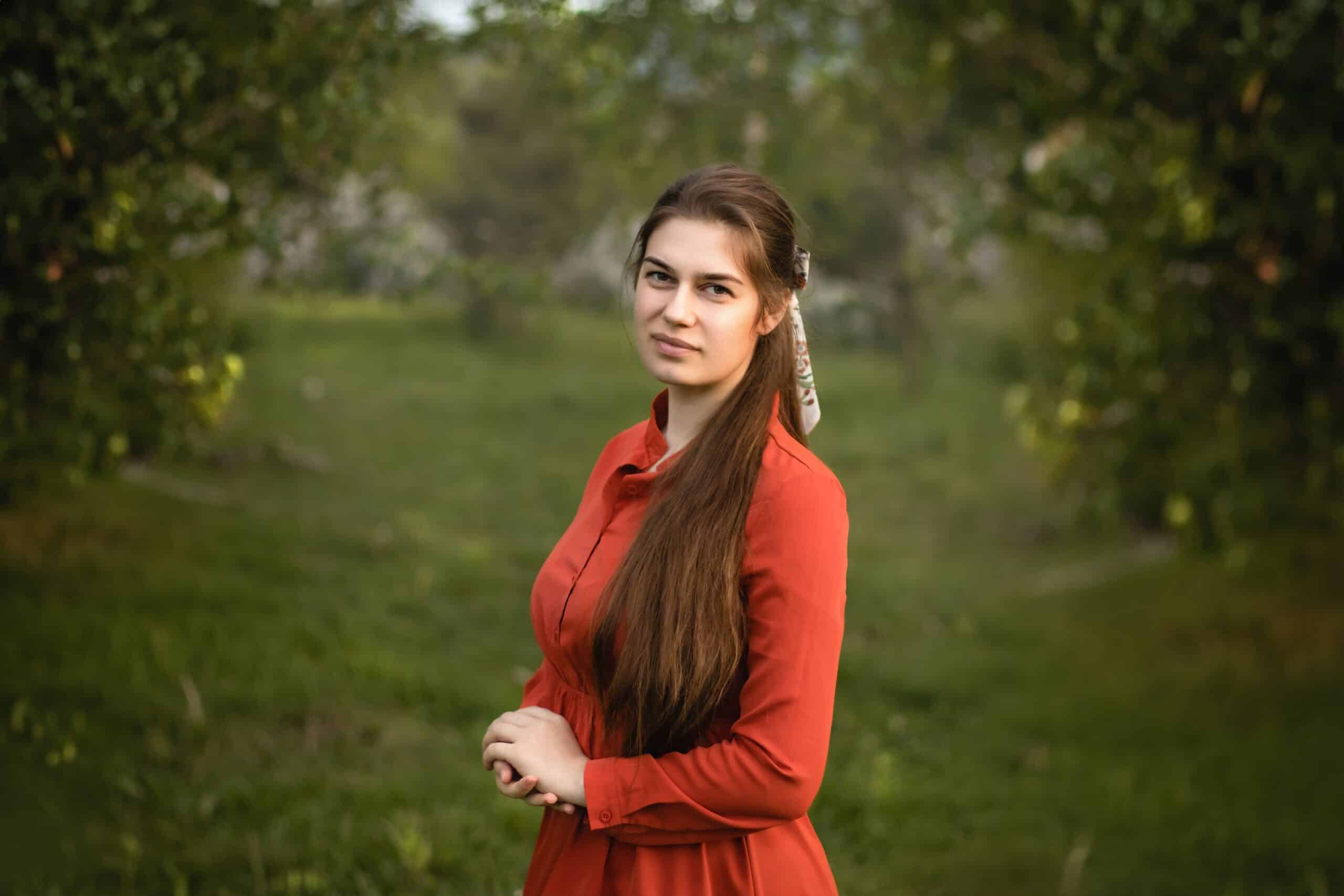
Yana Galetskaya was named Best Family Photographer at the international United Talents Award. Today, she’s a photo artist with a distinct, recognizable style — ranked among the Top 35 photographers in Moldova and Top 50 in Canada. But getting there was a journey. For Yana, it all began with the birth of her daughter and a desire to document her childhood. She shares how she got started in photography, how to develop your own creative style, and how her work made it onto the covers of international magazines.
— Yana, you recently won an award at the United Talents Awards. What did that recognition mean to you, and what led to this result?
I believe it was the entire journey I’ve taken as a family photographer and the years I spent developing my personal style. The United Talents Award is an international competition with hundreds of participants from all over the world — I truly didn’t expect to win. You really have to show that you’re a professional and an expert in your field, and that your work has had an impact. The selection process was tough, with high standards. So you had to demonstrate depth, strong composition, and unique editing. In the end, it worked out — and to me, the win is recognition of something I pour my soul into every day.
— From a creative standpoint, what helped you stand out in the competition? What do judges value most in contests like this?
Honestly, I wasn’t aiming to win. My goal has always been to tell stories through photography. I think that’s what made the difference — sincerity, real emotion, and love for the people I photograph. Maybe the jury could feel that warmth I always try to bring into my family shoots. It’s all about capturing genuine emotion, the light, the fleeting moment that will never happen again.
— Family photography is your main focus. Why did you choose that niche?
That’s exactly where my photography journey began — capturing moments of my little daughter and our family. I believe photographing the warmest, most heartfelt moments in people’s lives — which often involve their loved ones — is incredibly meaningful and close to my heart. I work with couples, expecting mothers, and parents with children. I love creating natural, authentic images and capturing real, unscripted moments. Some time ago, I also started creating family photo books for clients, and the demand turned out to be huge — which just proves how much people value those moments with their families.
— Is it more difficult to photograph children than adults?
Actually, I connect with kids of all ages very easily — probably thanks to my experience and the fact that I’m a mom myself. Kids are naturally curious about the camera, the lighting setup — they’re always watching in fascination. And they’re always curious to see how they look in the photos. Children express the most honest, magical emotions — they’re completely unfiltered.
Before every session, I always work closely with the client — we discuss the location, choose outfits — and that helps me understand how to interact with them and their children. Experience also helps me quickly see what works best: how to guide the client into a flattering pose or how to engage with the child to capture the most natural expressions.
— You started out photographing your own family, and now you’re among the Top 35 photographers in Moldova and Top 50 in Canada. How have your personal standards changed as your status has grown?
Yes, I started photography later in life, but I committed fully from day one. Every bit of recognition comes with countless hours of effort, investment, and sacrifice — for me, it meant dedicating every free moment to photography and constantly learning.
In the beginning, like many others, I had a lot of doubts. Can I do this? If I start charging for sessions, will I meet clients’ expectations? Imposter syndrome made it really hard for me to start earning from what I loved. So I hesitated for a long time before calling myself a professional photographer. But once I did take that step, I entered the market at a pretty solid level, with a decent price point. Clients love my work, bookings keep increasing, and I finally feel joy from what I do — that’s how I know I’m on the right path. Of course, as your reputation and income grow, so do the standards you set for yourself. I keep studying and improving, and I think that’s the most important thing.
— Speaking of imposter syndrome, how did you handle it in your very first competitions? Did recognition help your confidence?
The first contest I entered landed me in the Top 35 photographers in Moldova. I wasn’t even planning to submit my work — I didn’t think I was “worthy” of competing. I liked my photos, but it felt like only the best of the best deserved to be in those contests. My photography teacher encouraged all her students to enter. She had been praising my work throughout the course, so I thought — why not try? I submitted my photos… and completely forgot about the contest for six months. Then I randomly checked the results and saw that I had won and made the list.
We often underestimate ourselves and are afraid to put ourselves out there. My advice to anyone just starting out — don’t be afraid, believe in yourself. That experience taught me to have more faith in my abilities.
— What photography courses were most helpful to you? And was it hard to learn on your own?
At first, I tried learning on my own, but I quickly realized I was wasting time. There’s so much scattered information online, and it’s easy for beginners to get lost. To find valuable nuggets, you have to sift through endless videos and blogs.
Eventually, I started taking courses — choosing instructors whose work I genuinely admired. One of the first was a course on artistic retouching. I had already learned the basics of photography by then, but editing was still a weak spot. Once I learned how to control color and master Photoshop tools, that’s when my biggest growth happened. So my advice to beginners: don’t hesitate to invest in quality education if you’re starting to take photography seriously.
— During those early courses and your market entry, your daughter was still a baby. How did you manage everything? Did your family support you?
Of course, I didn’t have as much time with my child as I would have liked. I really wanted to document her childhood — and I wanted to have professional-quality photos. That became my motivation to grow in this field.
My husband was incredibly supportive during my learning phase — without him, I couldn’t have made it this far. I’m deeply grateful because I know many fellow photographers whose spouses or families didn’t support their choice. Having your loved ones behind you is everything. And growth comes from learning — so my main advice is: keep studying, absorb knowledge, gain hands-on experience, read industry articles, and watch tutorials whenever you can. If something truly excites you, you’ll find the time.
— Your photos have been published in numerous international magazines. How can a beginner start collaborating with major publications?
In my case, I didn’t even have to pitch. I’d been thinking about submitting my work to magazines for a while, but I hadn’t gotten around to it. Then, one day, an editor from a foreign magazine reached out to me on social media. He liked my photos and asked me to send over a few for publishing.
I submitted a photo series of my daughter called “At the Edge of the Earth.” The images were taken near a large lake. That day, a forest was burning near our city, and the air was thick with smoke. I couldn’t pass up the chance to take a few shots. When we got to the lake, the scene was surreal — the smoke was so dense that it really did feel like we were on the edge of the earth. That’s how the name came to be. The photos turned out magical. One of the first magazines to publish them was MARIKA.
So my advice: don’t be afraid to try new things. If you see calls for photo submissions, go for it.
— You’ve mentioned how important it is for a photographer to develop a recognizable style. How can a beginner find their own?
Yes, that’s really important — it’s what sets you apart from the competition. And it’s not easy. I spent a long time finding my voice, studying other photographers’ work to understand what I wanted my own images to look like. Your style depends on your approach to light, composition, shooting technique, and post-processing.
I mostly work with natural light or a mix of natural and artificial. I use specific color schemes to create mood and highlight key elements. I love playing with shadows and light to create depth. You can try something similar or experiment until you find your own.
— To sum up, what are the key ingredients for success as a family photographer?
First and foremost — love for what you do. And joy from the process. Of course, you also need to market yourself and be visible to clients. That’s where developing a signature style helps — it makes you stand out.
It’s also essential to enter contests and take part in exhibitions — it boosts your profile and gets you recognized.
Photography is now my main source of income. I have a steady stream of regular clients, I continue to learn and evolve, and I hope to open my own studio one day.
When I was starting out, I faced a lot — not just caring for a newborn, but also having to settle into a whole new life. But I made it through, largely thanks to my husband, who supported me and took on a lot of the responsibilities. Like I said — the support of your loved ones is invaluable.